Android 1.0 Iso Apr 2026
The T-Mobile G1, released on October 22, 2008, in the United States, was the first smartphone to run on Android 1.0. Manufactured by HTC, it featured a 3.2-inch touchscreen, a 3.2-megapixel camera, and a physical QWERTY keyboard. Although specs seemed modest compared to modern standards, the G1 was a critical device that demonstrated the potential of the Android platform.
While Android 1.0 laid a strong foundation, it also had limitations. Performance issues, a lack of third-party app support, and hardware compatibility problems were among the challenges faced. However, these early hurdles motivated Google and its partners to evolve the platform rapidly. Android 1.0 Iso
Android 1.0 was more than just the launch of an operating system; it represented a significant shift in the mobile landscape. Google's vision for an open, customizable, and user-friendly platform quickly gained traction. The introduction of the Android Market (now Google Play Store) provided users with a centralized place to discover and download apps, fostering a vibrant ecosystem. The T-Mobile G1, released on October 22, 2008,
Released on September 23, 2008, Android 1.0 marked the beginning of an era for Google's mobile operating system. This inaugural version, also known as Android 1.0 API level 1, was a groundbreaking step into the smartphone world, setting the stage for what would become a dominant force in mobile technology. While Android 1
Android 1.0 was a pivotal moment in the history of smartphones. It not only offered an alternative to existing mobile operating systems but also democratized access to smartphones, making them more accessible and customizable for users worldwide. The journey from Android 1.0 to the latest versions has been marked by continuous innovation, expansion of features, and improvements in performance and security. As Android continues to evolve, its foundational release remains a significant milestone in the technology landscape.
Prophets In Quran & Their Ancestry
A Journey Through Revelation - Unveiling The Prophetic Legacy
Read More
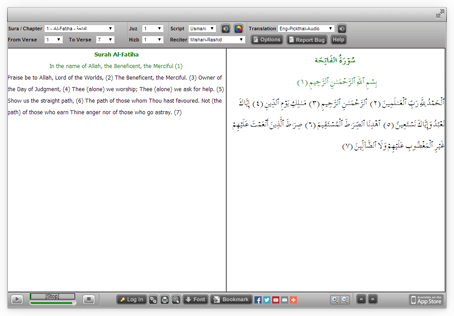
Quran Explorer
Our well known Web client for Recitation & Translation. Its user friendly & completely installation free
Visit Now
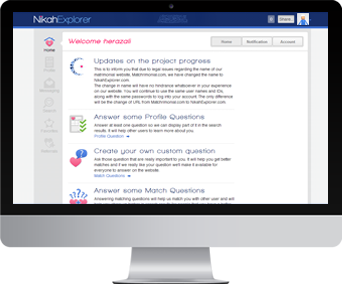
Nikah Explorer
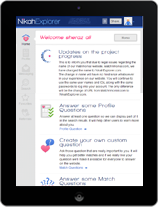
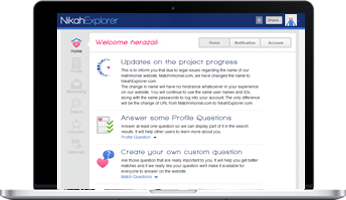
NikahExplorer.com is the #1 choice for Single Muslims across the globe to find their ideal life partner through a unique Shariah compliant match making website
Register For Free
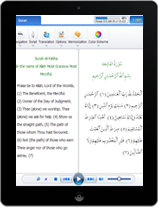
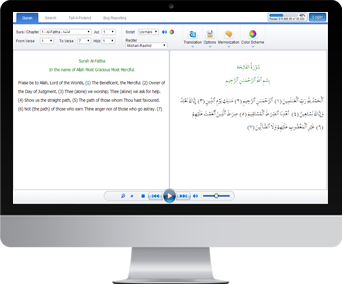
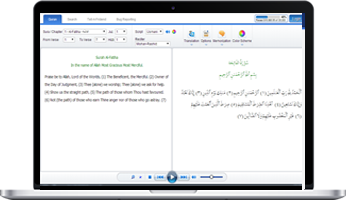
New Quran Explorer Web App
Compatible with your new Tablet & Smartphone along with advance log in & tracking feature
Visit Now
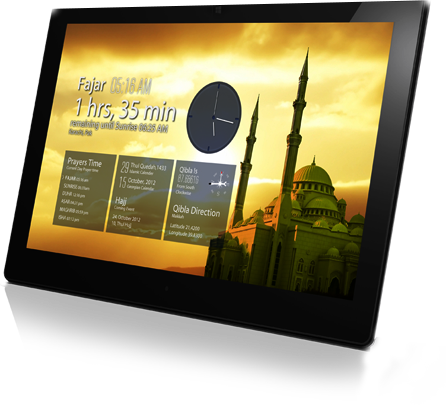
Salah Explorer
- Auto detect local Salah times
- Salah time view in 5 or 30 days interface
- Location based Qibla direction
- Both Islamic and Georgian calendar
- Salah timings for Hanfi & Shafi
- Custom location settings
- Automatically updates when connected
Download
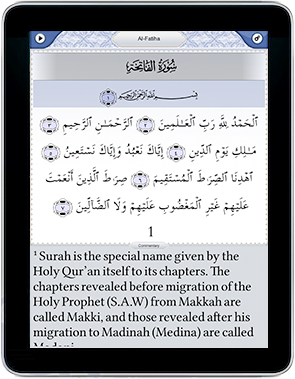
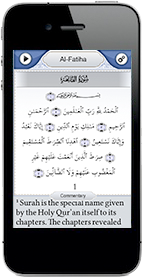
iPhone / iPad App
Simple to use with high quality audio. Your favorite Quran reading application is now available for iPhone & iPad with lots of new features
Visit App Store
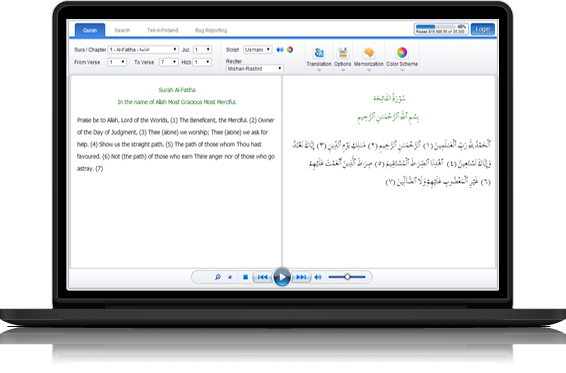
Quran Desktop
Listen to The Quran recitation & translation in Arabic, English and Urdu. This application is now available in both online & offline modes
Get Desktop App
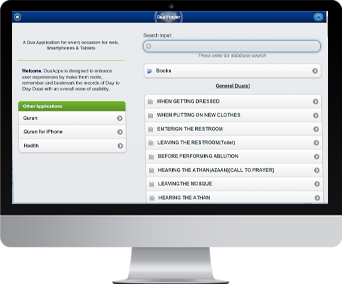
Dua App
Four popular Dua books digitized and searchable containing 1000+ Duas (Supplications) for daily use or special circumstances. Designed to be optimized for Tablets, Smart Phones, and Desktop
Visit Now

Quran Interactive
Learn to read The Holy Quran online with professional teachers. Join hundreds of people that are benefiting from our advance teaching system
Sign up now for a 2 days FREE trial evaluation
Sign UP Now
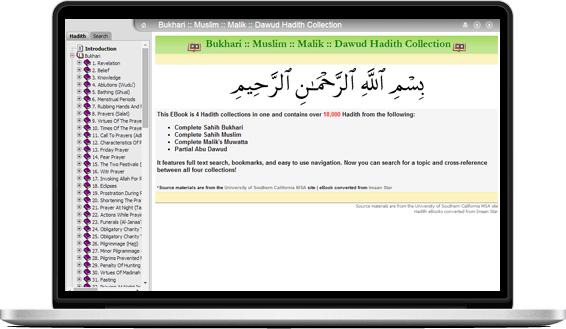
Hadith Explorer
18,000+ Hadith from Bukhari, Muslim, Malik and Dawud searchable & organized in easy to view chapters
Visit Now
The T-Mobile G1, released on October 22, 2008, in the United States, was the first smartphone to run on Android 1.0. Manufactured by HTC, it featured a 3.2-inch touchscreen, a 3.2-megapixel camera, and a physical QWERTY keyboard. Although specs seemed modest compared to modern standards, the G1 was a critical device that demonstrated the potential of the Android platform.
While Android 1.0 laid a strong foundation, it also had limitations. Performance issues, a lack of third-party app support, and hardware compatibility problems were among the challenges faced. However, these early hurdles motivated Google and its partners to evolve the platform rapidly.
Android 1.0 was more than just the launch of an operating system; it represented a significant shift in the mobile landscape. Google's vision for an open, customizable, and user-friendly platform quickly gained traction. The introduction of the Android Market (now Google Play Store) provided users with a centralized place to discover and download apps, fostering a vibrant ecosystem.
Released on September 23, 2008, Android 1.0 marked the beginning of an era for Google's mobile operating system. This inaugural version, also known as Android 1.0 API level 1, was a groundbreaking step into the smartphone world, setting the stage for what would become a dominant force in mobile technology.
Android 1.0 was a pivotal moment in the history of smartphones. It not only offered an alternative to existing mobile operating systems but also democratized access to smartphones, making them more accessible and customizable for users worldwide. The journey from Android 1.0 to the latest versions has been marked by continuous innovation, expansion of features, and improvements in performance and security. As Android continues to evolve, its foundational release remains a significant milestone in the technology landscape.