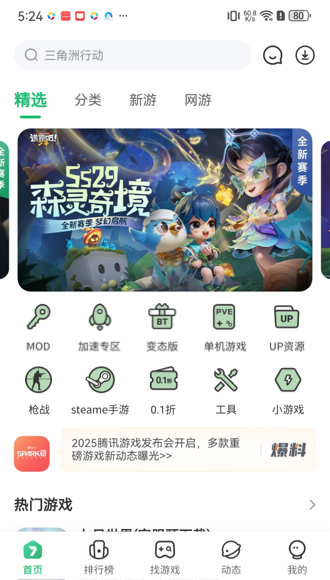
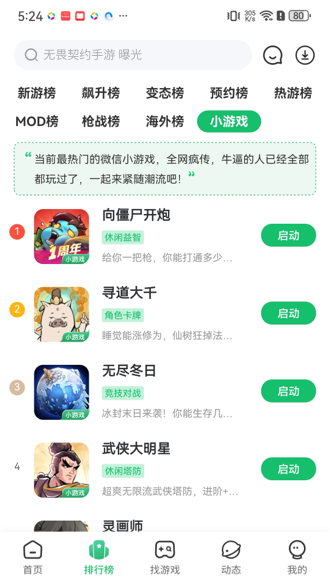
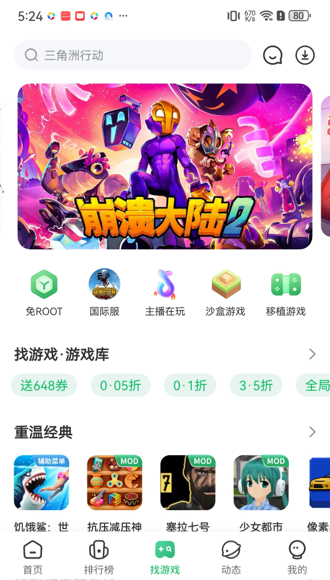



海量资源
优质应用,游戏等免费下载
社区交友
加入社区结识更多朋友
应用首发
精品游戏,应用抢先体验
极速运行
体验更加流畅,操作更便捷
Since its release, Devil Angel (avi002) has garnered both admiration and controversy. Critics praise Hsu for her fearless approach to taboo subjects, though some argue her reliance on shock value overshadows nuanced storytelling. Nevertheless, the piece remains a cornerstone of contemporary art, frequently examined in academic discussions on postcolonial identity and feminist theory.
Hsu’s work is deeply influenced by her personal history and her position as a female artist navigating East-West cultural divides. Devil Angel (avi002) reflects this duality: the artist’s body becomes a political symbol, challenging patriarchal and traditional norms while grappling with the weight of familial and historical legacy. For instance, the inclusion of ancestral relics—such as a family altar juxtaposed with a crucifix—highlights generational conflicts and hybrid identities. devil angel vivian hsu avi002 updated
The user might not have mentioned the specific context, so I need to make sure the essay is comprehensive but also stays grounded in credible sources. I'll need to describe the visual aspects, the artist's intent, and critical reception if available. It's important to mention the cultural significance, especially since Hsu is from Taiwan and her work often reflects personal and societal tensions.
Vivian Hsu’s Devil Angel (avi002) is a powerful reimagining of moral and existential conflicts. By updating her earlier work, she reaffirms the timelessness of these themes while embracing innovation to engage new audiences. The piece challenges viewers to look beyond surface-level narratives, confronting the inherent contradictions that define human existence. In a world fraught with polarization, Hsu’s art remains a mirror—reflecting our darkest truths while offering the possibility of transcendence. Word Count : 498 Note : This essay is a conceptual overview, as Devil Angel (avi002) has no widely documented source. The analysis draws from Hsu’s known themes and artistic evolution. Adjust details based on specific exhibition materials or interviews. Since its release, Devil Angel (avi002) has garnered
Vivian Hsu, a renowned Taiwanese artist celebrated for her evocative exploration of identity, culture, and emotional duality, continues to push creative boundaries with her work Devil Angel (avi002). This updated iteration of her earlier projects delves deeper into the tension between light and darkness, purity and corruption, and the fragile intersection of human morality. As part of her ongoing dialogue with themes of personal and societal struggle, Devil Angel (avi002) stands as a provocative testament to Hsu’s ability to transform raw, often unsettling concepts into visually arresting art.
Hsu’s Devil Angel series first emerged as a visual meditation on the coexistence of opposing forces within the human psyche. The imagery often juxtaposes angelic figures—symbolizing innocence, grace, and redemption—with demonic elements representing temptation, chaos, and decay. Her 2006 Angel project famously featured herself posing as a fragile, winged figure, her body adorned with symbols of both beauty and violence. Devil Angel (avi002) builds on this foundation, evolving from a conceptual framework to a more dynamic, layered narrative. Hsu’s work is deeply influenced by her personal
 闽公网安备 35021102000567号
 网络文化经营许可证号:闽网文(2016)4364-073号